
Dan Mall Shares
Super
jun 04 2025
I’m nervous.
Five days from now, director James Gunn debuts his latest film: Superman.
I wish it was hyperbole to say I’ve been waiting for this movie my whole life.
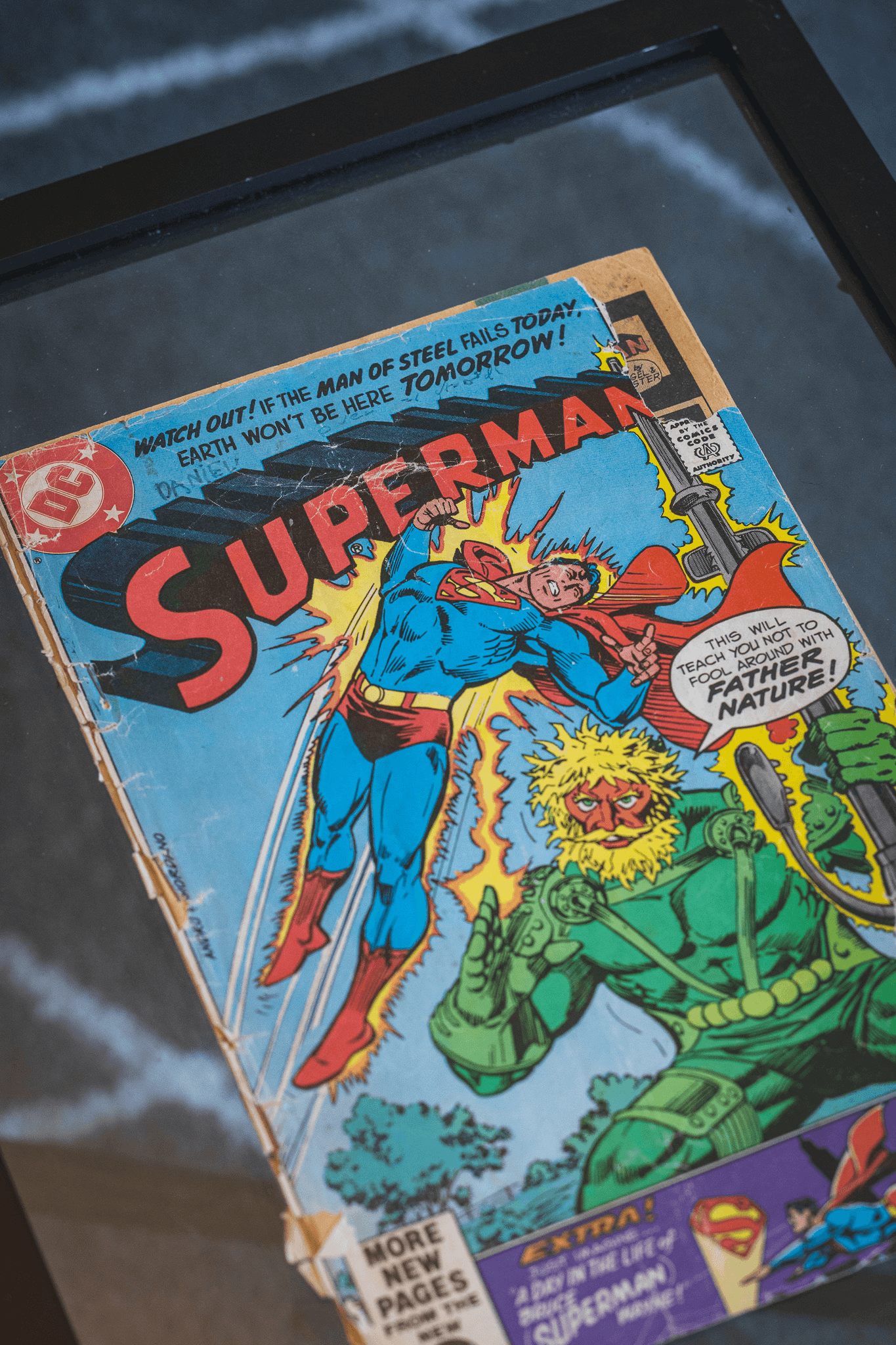
Some of my earliest memories are of Superman. I learned to read pretty early, partially because my grandparents lived with me from the time I was born until I moved out to go to college. They read to me all the time as a baby. When I was old enough to pick something from the store to read myself, I chose Superman #358. It was the first comic I ever read, a beat-up issue I now have framed in my office. The story was silly—Superman fights an alien named Cron who can control the weather—but I was hooked.
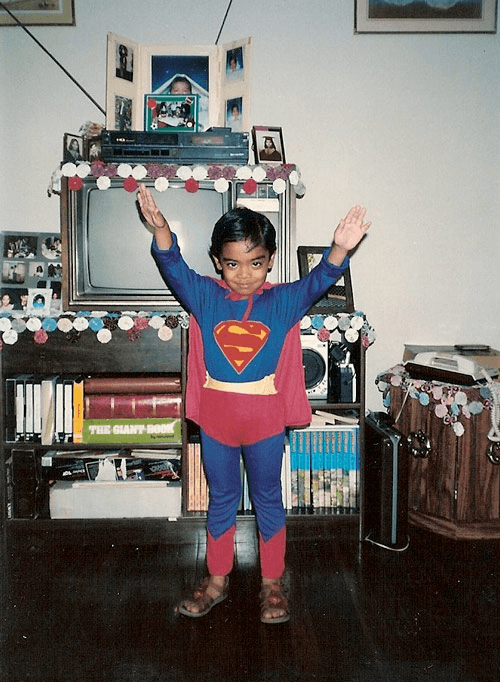
Around that time, the Superman films starring Christopher Reeve entered syndication. I recorded the network premieres to VHS on our family VCR and watched them ad nauseam. The first Richard Donner film was my favorite. I memorized the dialogue front to back and would recite it constantly. When people asked me how old I was—4 being the real answer—I’d reply, “I’m over 21,” the same coy line Superman gives Margot Kidder’s Lois Lane during her first exclusive interview.
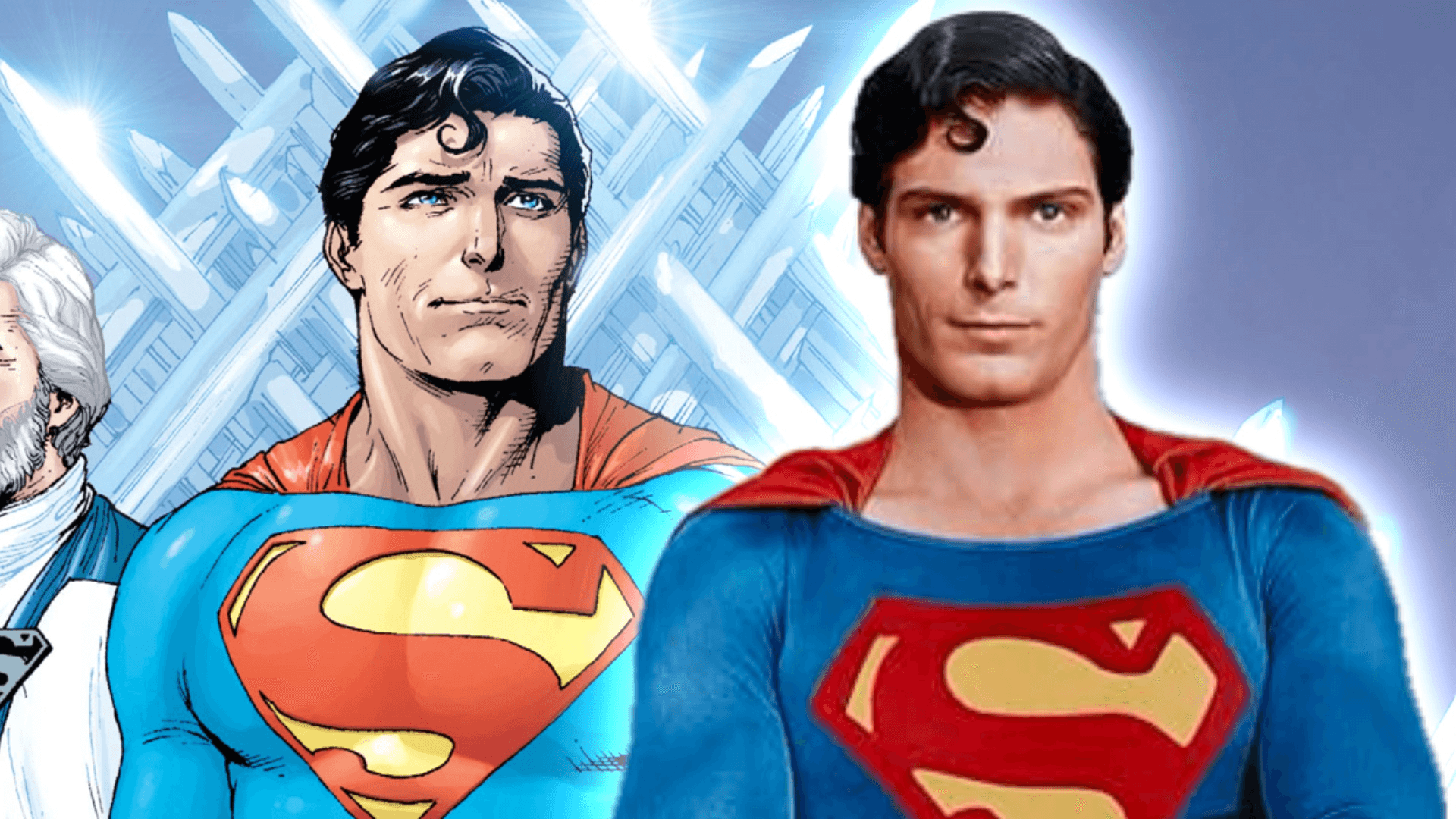
Reeve had the look: striking blue eyes, 6'4", jet-black hair with the signature spit curl “S.” His physique—which he bulked up for the role by gaining 40 lbs. of muscle from the time he auditioned until he starred onscreen—was believable, though I personally craved seeing more of a physical specimen I thought deserving of the most powerful being in the universe. But what really set him apart from every other Superman actor before or since was his ability to play Clark Kent and Superman as two separate people, not just in costume, but in posture, voice, and demeanor. That contrast was magic.
I sought out every version of Superman I could find. I watched the George Reeves TV show, Adventures of Superman. Even though it was campy, I loved it.
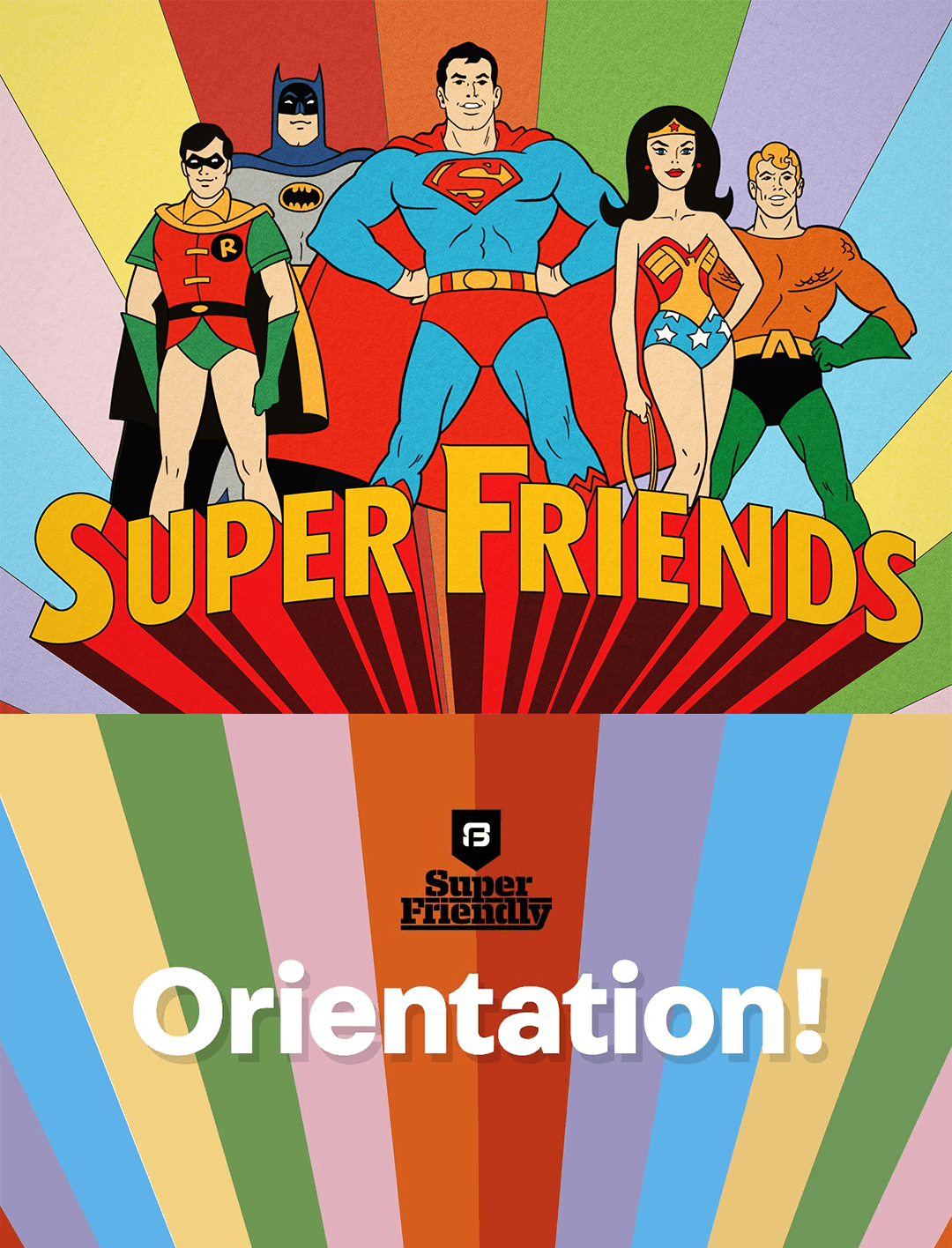
Then came Super Friends, which left such a mark that I later named my design agency SuperFriendly two decades later.
In the early ’90s, I came home from school every day excited to watch Batman: The Animated Series. I didn’t get into Superman: The Animated Series as much, despite it having the same creators. In hindsight, I think I responded more to BTAS’s noir aesthetic and moral complexity. The Superman show felt flatter to me, focused more on plot than principle.
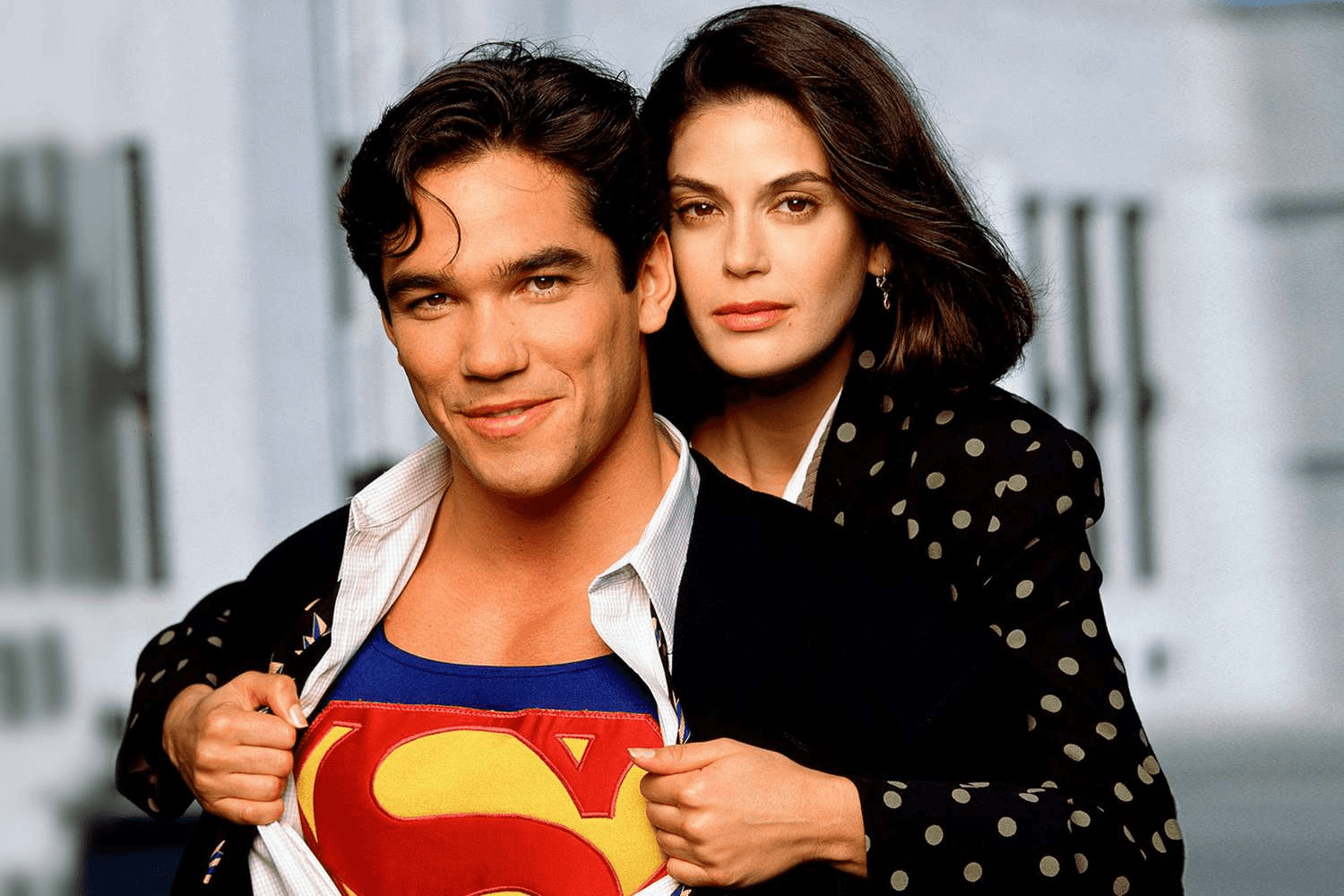
When Lois & Clark: The New Adventures of Superman came along in 1993, I was all in. Weekly new Superman stories? Still my beating heart! Or maybe the extra cardiac activity was from my first TV crush in Teri Hatcher’s Lois Lane. (Ok, second TV crush after Lynda Carter’s Wonder Woman.)
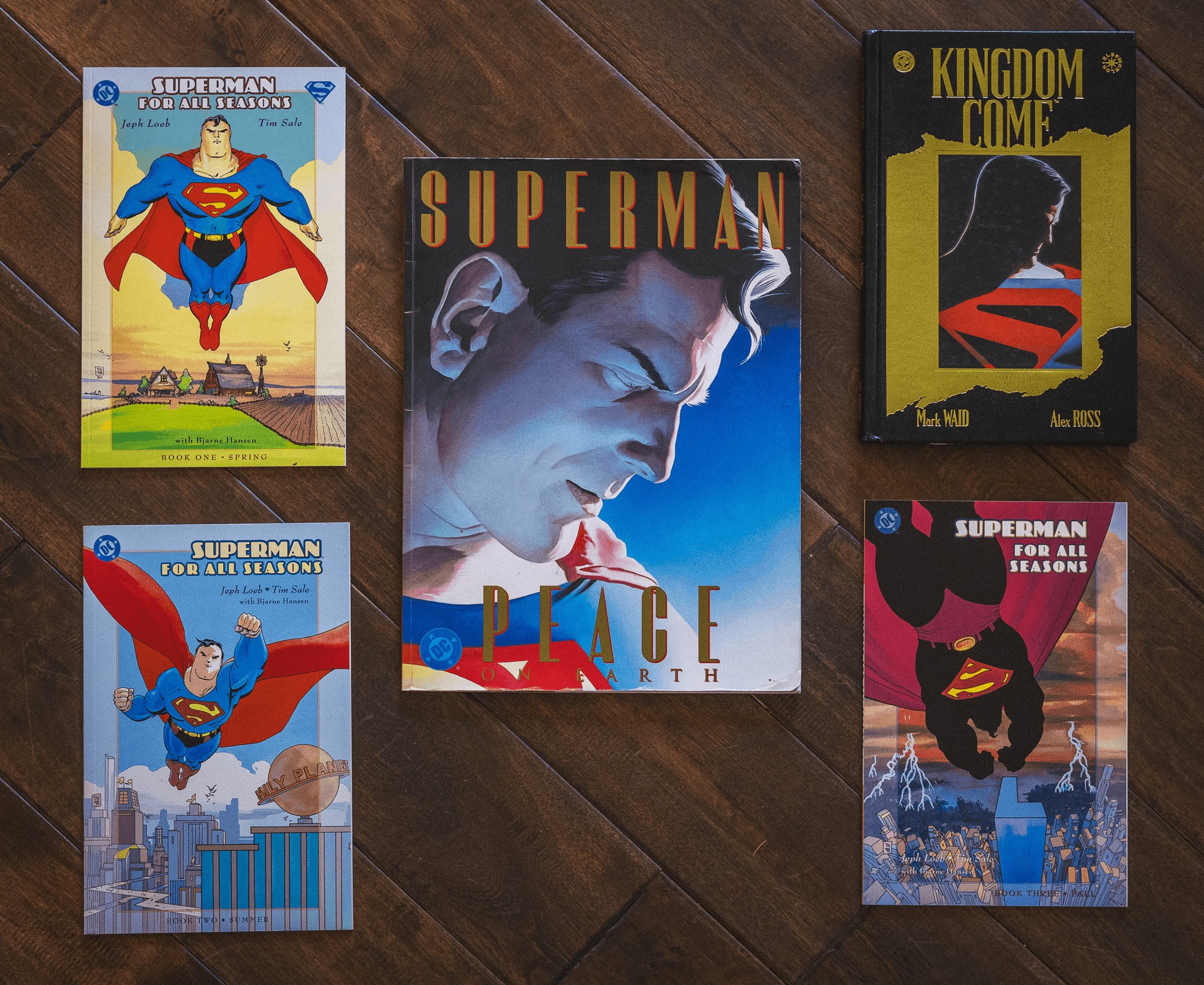
The real shift happened from 1997–1998, when I read the comics that redefined what Superman could be for me.
Kingdom Come by Mark Waid and Alex Ross imagined a retired Superman grappling with grief, irrelevance, and the burden of power in a world that no longer wanted him. Then came Superman: Peace on Earth, also illustrated by Ross and written by Paul Dini, in which Superman tries to end world hunger and fails. Both stories were about Superman facing something bigger than himself, not physically, but morally. The most boring Superman stories are the ones where he—yawn—punches his way through the problem.
Then came Superman: For All Seasons by Jeph Loeb and Tim Sale, and it cracked me open. A quiet, nostalgic coming-of-age story told through the perspectives of people close to Clark. It reminded me that Superman isn’t inspiring because he’s powerful. He’s inspiring because he chooses restraint, decency, and hope.
Even though I loved the Reeve films, they didn’t reach the emotional or philosophical depth of those comics. They might have been perfect for the kid version of me, but as I got older, my expectations evolved.
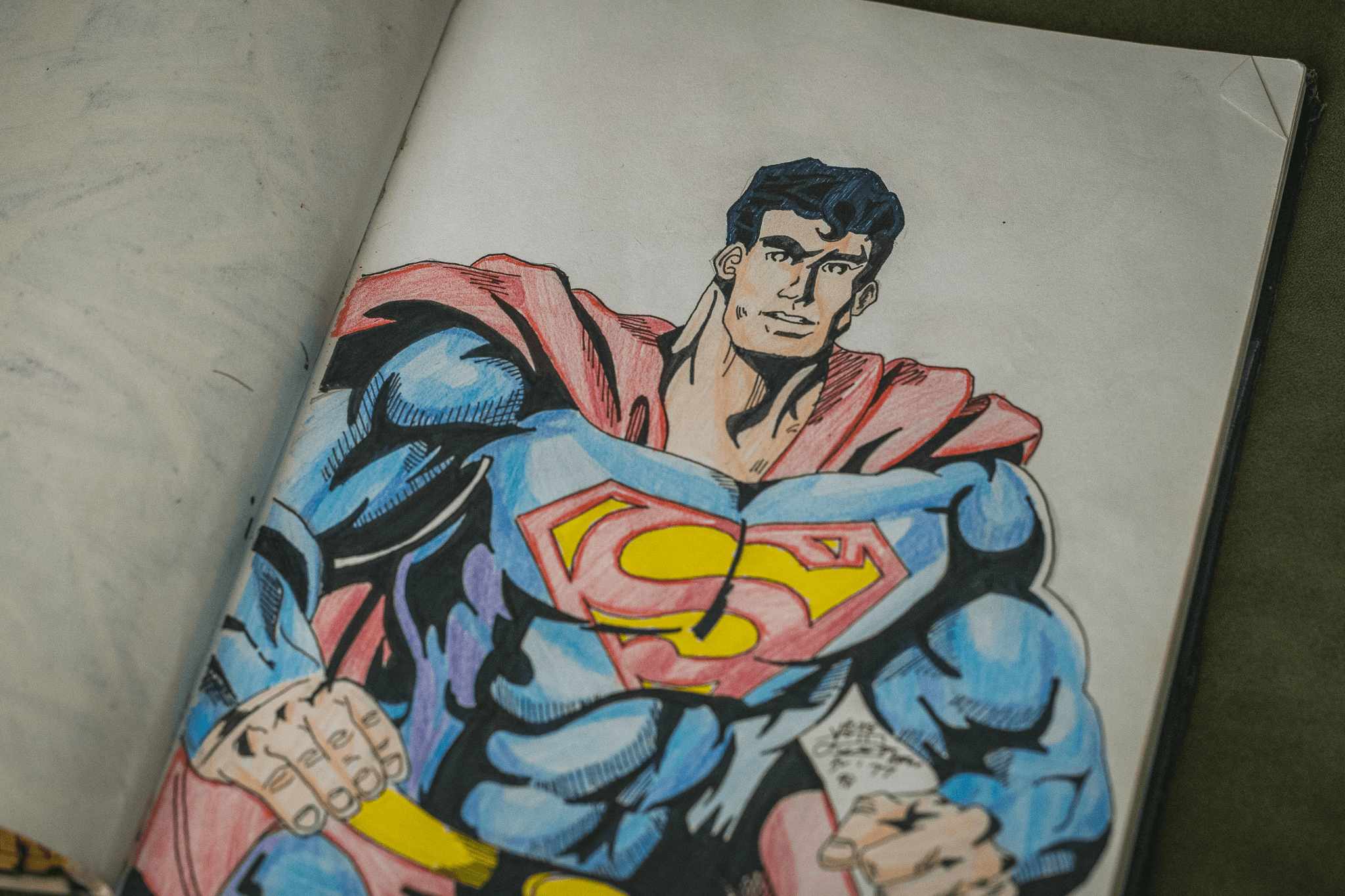
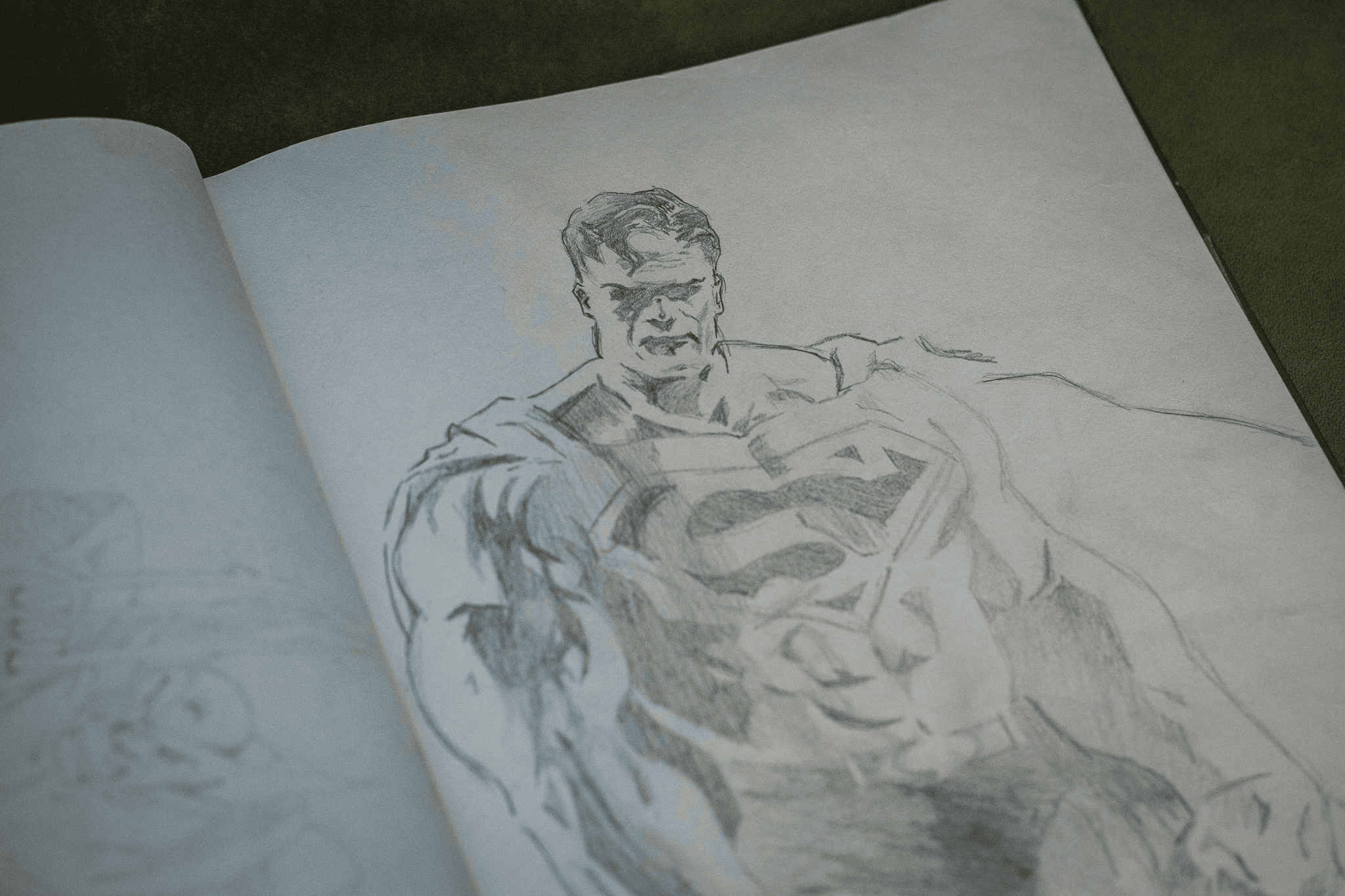
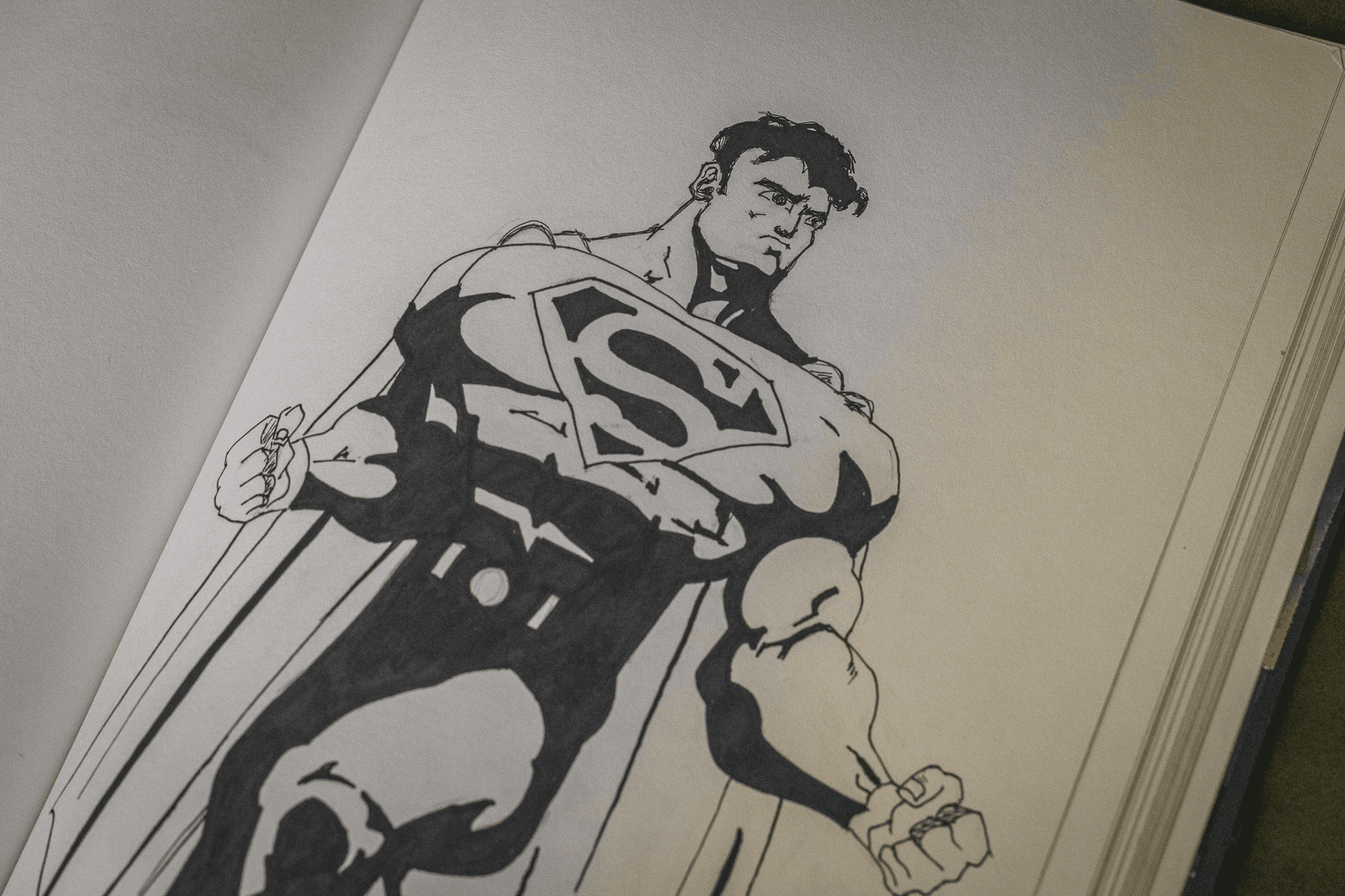
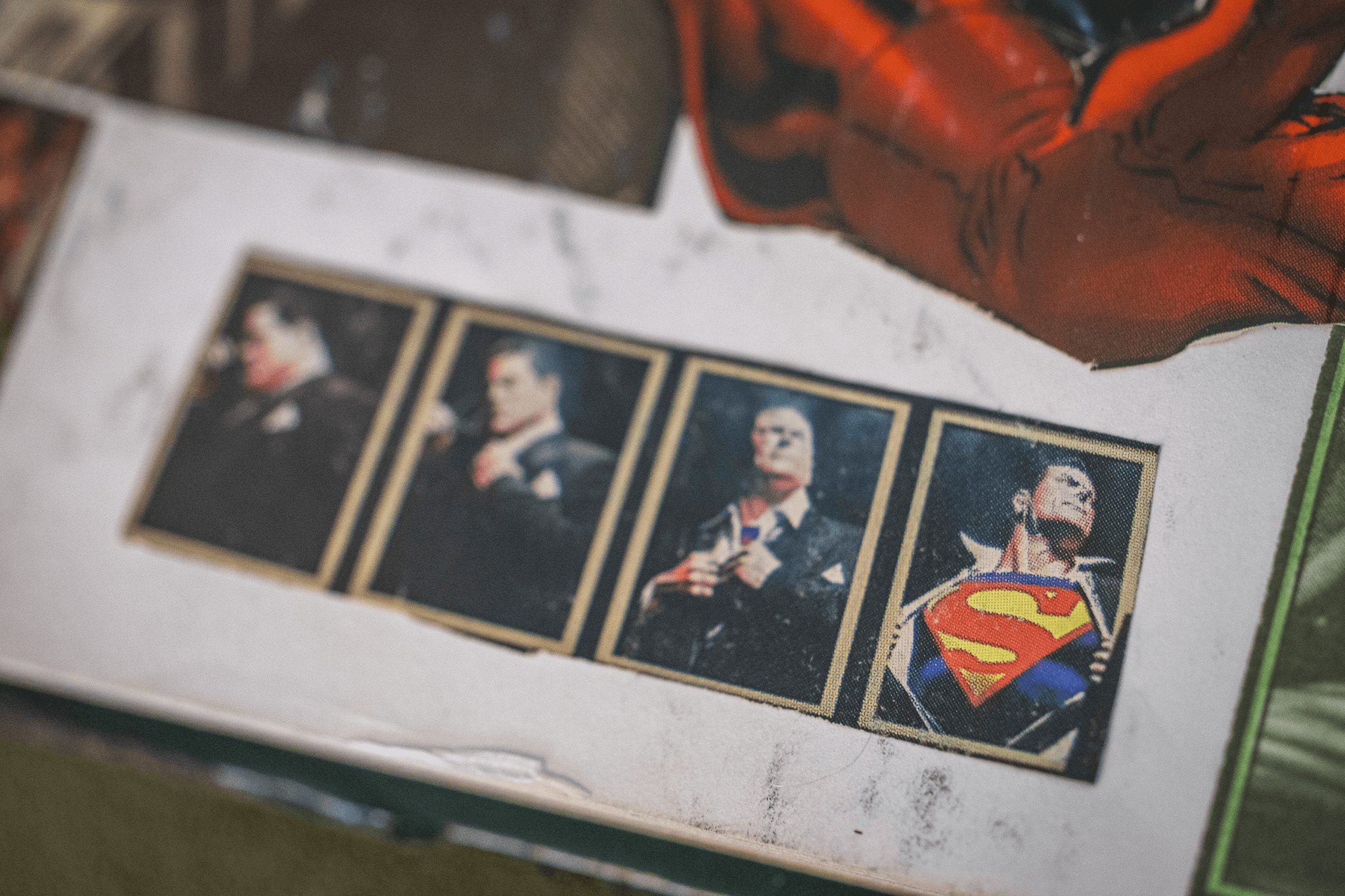
In 1998, I left the small private Christian school I’d attended for eight years and moved to public school. I went from a class of 7 to a class of 800. Making friends was hard. I kept to myself, drawing superheroes in my sketchbook—mostly Superman. Eventually, kids started noticing and asking me to draw for them. That’s how I made my first real friends there.
When Smallville launched a few years later, I skipped it. At the time, I couldn’t bring myself to watch what looked like a soapy, Superman-flavored version of Dawson’s Creek. Ironically, that show was probably trying to tell the kind of grounded story I now appreciate in hindsight. I just wasn’t ready for it then.
Then came Superman Returns in 2006, Bryan Singer’s attempt to pick up where Donner left off. But it felt more like a museum exhibit than a story with something new to say.

The 2013 teaser for Zack Snyder’s Man of Steel felt promising. Was this the Superman movie I’ve been waiting for? The teaser seemed to suggest that it was. Only the final third of the teaser showed Superman, but from a distance. The rest of it was about Clark.
They released 2 versions: one with a voiceover from Russell Crowe who played Superman’s Kryptonian father Jor-El and the other with voiceover from Kevin Costner who played Clark’s Earth father Jonathan Kent. Both excellent performances, but the Costner version always gets me in my feels.
And Cavill? He looked like the beefy Superman I drew in my sketchbooks.
But the movie missed the mark. Snyder gave us spectacle, but not soul. Cavill’s Superman was confused, reactive, and overwhelmed. He didn’t embody restraint or moral clarity; he punched first and brooded later. It was all power, no purpose. I didn’t need a cooler, edgier Superman. I wanted one who reflected the best of us.
Earlier this year, I saw a flurry of tweets that proclaimed Tyler Hoechlin of Superman & Lois as the best Superman ever. What the sacrilege?! In my mind, there was no way he could match Reeve’s acting or Cavill’s physical prowess.
Then I saw this clip.
I binged all 4 seasons.
I get the praise now. It’s a good show. But it’s a family drama first and a Superman story second. Close, but still not quite it.
I’ve experienced a lot of great Superman stories over the years, but the best ones haven’t fully made it to the big screen. Is there anyone who could write this character?
And then James Gunn was named co-CEO of DC Studios. I didn’t know much about him until Guardians of the Galaxy. I knew about the Guardians characters, and I couldn’t care less about them. But Gunn made me care. He found their humanity.
I love the story of how Gunn arrived at the central themes in Guardians. He was initially going to pass on the movie, because he was specifically hesitant on the character of Rocket, describing him as “Bugs Bunny in the middle of the Avengers.” But then:
As I'm sitting in traffic, all of a sudden it just came to me. I started thinking: if there was a raccoon in this movie and he were talking, how could he be talking? It was really taking that idea and discovering it was a very sad tragic story at the center of the Guardians of the Galaxy. Here's this sad little animal that was taken and turned into something that he shouldn't be. He was utterly and completely alone in this universe with no attachment to anyone whatsoever, nor having any way to know how to adapt to another being. That grounded the whole story of something that could have been cartoony otherwise. Rocket's the only one I relate to personally, feeling like an outcast for much of my life and like I don't belong. That was the first thing that lit me up about the project.
If you’ve seen Guardians 3, you know that he got to tell that full story to utter, complete perfection.
What Gunn does so well is make powerful characters lovable by making them flawed. Drax is emotionally stunted. Gamora is guarded by trauma. Rocket is angry and broken. Groot is limited in speech but full of heart. Star-Lord masks abandonment issues with ego. Their power isn’t the point; their brokenness is.
Gunn is no stranger to godlike flyers either. He produced Brightburn, a horror film about a superpowered boy named Brandon who turns violent, cautionary tale about power without empathy. In Guardians 3, Adam Warlock is a cosmic powerhouse but emotionally immature, a toddler with a nuclear arsenal.
And therein lies the challenge with Superman: how do you write a character where the point of him is that he’s flawless? He’s not a redemption story. He’s not broken. When you give him flaws, you end up with Man of Steel. That’s not to say that he can’t have an arc, but it has to be about how he chooses to stay good in a world that tests goodness. Does that story translate well to a movie?
I guess we’ll find out on Friday.
I rented a private theater to see it with some family and friends. (If you’re in or around Philly, I have a few tickets left, so let me know if you wanna join.)
A friend also invited me to see an advance screening tonight, so I’ll be seeing it twice this week.
Please, James Gunn: give me the Superman movie I’ve been waiting my whole life for.
No pressure.
read next